Elder-Friendly Interiors: Designing Homes That Prioritize Comfort and Functionality
Here`s a startling figure: over 30% of seniors experience a fall at home each year, many of which could be prevented with better design! That`s right ,your home`s layout and features can make a world of difference when it comes to safety and ease of living for older adults. So, whether you`re revamping your own space or preparing for a loved one, creating elder-friendly interiors isn`t just a nice-to-have. It`s essential!
October 4, 2024
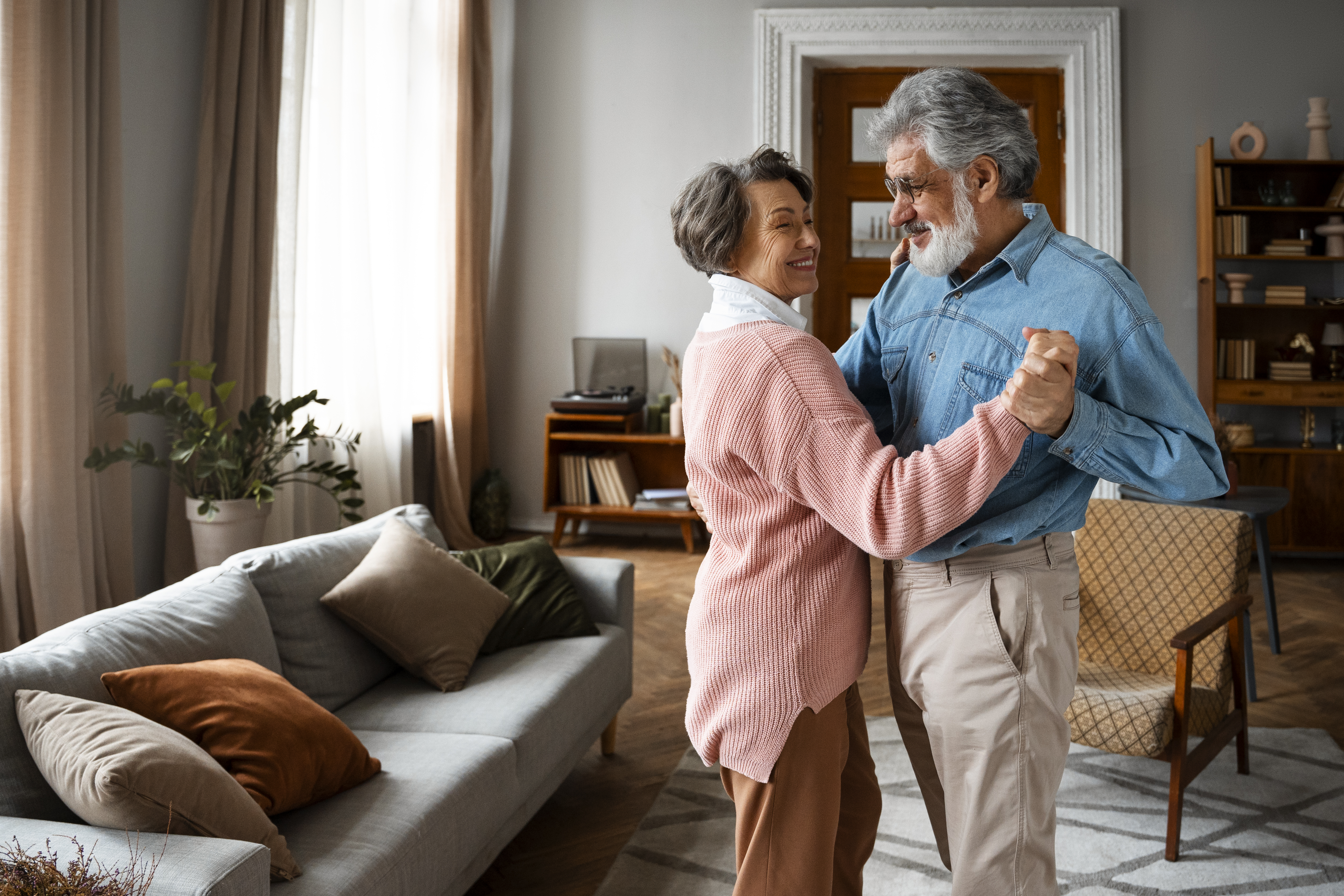
1. Create Clear and Accessible Pathways
Navigating through a cluttered room is tough for anyone, let alone seniors. Movement should be as smooth as possible—no obstacles or tight spaces. Here`s how to tackle this:
-
Declutter and Simplify: Start by reducing excess furniture. Keep only the essentials and arrange them in a way that creates clear, wide paths. Seniors, especially those with mobility aids, need at least 36 inches of space to move around easily.
-
Furniture with Rounded Edges: Sharp corners on tables or shelves? Swap those out or add padding. Accidents happen, but sharp edges make them worse!
-
Install Ramps or Level Out Floors: If stairs are unavoidable, consider adding a small ramp or converting steps to a gradual incline. Even a couple of steps can be a challenge for those with limited mobility.
2. Make Lighting Your Best Friend
Good lighting can prevent accidents. It’s not just about adding a few lamps—strategic lighting can drastically improve visibility, making everyday tasks easier and reducing the risk of falls.
-
Bright, Adjustable Lighting: Ensure rooms are well-lit with a combination of ambient and task lighting. You want bright, adjustable lights in spaces like the kitchen, bathrooms, and hallways. Don’t forget those tricky spots like staircases!
-
Night Lights and Motion Sensors: Let’s make life easier! Night lights in bedrooms and hallways can prevent midnight falls. Better yet? Install motion sensors. Imagine never having to fumble for a switch at 3 a.m. because the lights just know when to turn on.
-
Dimmers for Flexibility: For common areas, dimmer switches allow seniors to adjust the brightness based on their activity and time of day. Bright enough for reading, but softer in the evening to reduce strain.
3. Safe Flooring Without Sacrificing Style
Slips and falls are the enemy here. But you don’t need to sacrifice good design to prevent them! Choose materials that look great while offering stability.
-
Non-Slip Flooring: Think vinyl, cork, or rubber. These materials are not only slip-resistant but also provide cushioning, which can be a lifesaver for joints. They’re perfect for bathrooms, kitchens, and entryways.
-
Low-Pile Carpets: Plush carpets are a tripping hazard! Opt for low-pile rugs with non-slip backing, especially in high-traffic areas like living rooms and bedrooms. They offer warmth without the risk.
-
Floor Transitions: No one should be tripping over thresholds between rooms. Install gradual transitions between different types of flooring to keep things smooth. Level flooring means no surprise bumps along the way.
4. Functional Furniture That Works for Everyone
Furniture should make life easier, not harder. For seniors, comfort and ease of use are key. Here are some practical tips:
-
Chairs with Armrests: Look for seating that supports easy standing. Armrests offer leverage, making it easier for someone to get up without straining themselves. Sofas and chairs that are too low can be difficult to rise from—opt for something that’s higher and firmer.
-
Adjustable Beds: Beds should be at the perfect height—around knee level—so getting in and out isn’t a struggle. Adjustable beds can be a fantastic addition, especially for those with back or joint issues. Plus, they add a bit of luxury, don’t they?
-
Accessible Storage: Cabinets and shelves should be within easy reach. No more climbing or bending down! Consider pull-out drawers for easier access to items in kitchens and bathrooms. It`s all about reducing effort.
5. Bathrooms: Safety Meets Design
Bathrooms need extra attention. They’re a high-risk area for falls, but with a few smart upgrades, you can make them safer without turning them into something that feels clinical.
-
Walk-In Showers with Seats: Bathtubs can be tricky for seniors. Walk-in showers with low or no thresholds are much safer. Add a shower seat for comfort and consider handheld showerheads for better flexibility.
-
Grab Bars—Stylish, Not Stark: Install grab bars near the shower, bathtub, and toilet. The good news? Modern designs offer stylish grab bars that don’t look out of place—they blend right in with the rest of the decor.
-
Non-Slip Mats: Place non-slip mats both inside and outside the shower. It’s a small change with a big impact.
6. Embrace Smart Tech for Convenience
Smart homes aren’t just for tech lovers! Simple tech upgrades can make life a lot easier and safer for seniors.
-
Voice-Controlled Assistants: Devices like Google Home or Amazon Alexa allow seniors to control lights, adjust the thermostat, or call for help—hands-free. It’s all about making daily tasks simpler!
-
Smart Thermostats: Keep the home comfortable without fiddling with manual controls. A smart thermostat can automatically adjust the temperature and be set to senior-friendly settings, ensuring the home stays cozy.
-
Automated Lights and Appliances: From lights that turn on with motion to appliances that shut off automatically, smart features take the guesswork—and the risk—out of everyday living.
Conclusion; Designing elder-friendly interiors doesn`t mean sacrificing style for function,it means blending both to create a space that works for everyone. Whether it`s adjusting lighting, rethinking your flooring, or embracing smart tech, each of these small changes can have a massive impact on comfort and safety. And at the end of the day, that`s what great design is all about?making life easier, safer, and just a bit more beautiful. So, go ahead! Start making your space elder-friendly today! Let`s dig into how you can combine style with functionality to make your home safer, more accessible, and still beautifully designed.